
The Baseball Glove: Past, Present, and Future
From Classic Leather to Smart Tracking Technology
Explore how innovation, design, and performance connect to real-world problem solving.
Introduction: More Than Just a Glove
What makes a great baseball glove?
From simple leather padding to advanced smart devices, the baseball glove has evolved into a tool of performance, protection, and precision. This exhibit connects innovation in baseball equipment to critical thinking, data analysis, and problem-solving skills tested on the SAT.
Section 1: History of the Baseball Glove
Table 1. Evolution of the Baseball Glove
| Era | Design | Purpose | Limitation |
|---|---|---|---|
| 1800s | Bare hands or thin gloves | Basic protection | Low control |
| Early 1900s | Padded leather gloves | Catching assistance | Limited flexibility |
| Late 1900s | Specialized gloves (position-based) | Performance optimization | No data tracking |
| Today | Smart gloves with sensors | Performance + analytics | Cost & complexity |
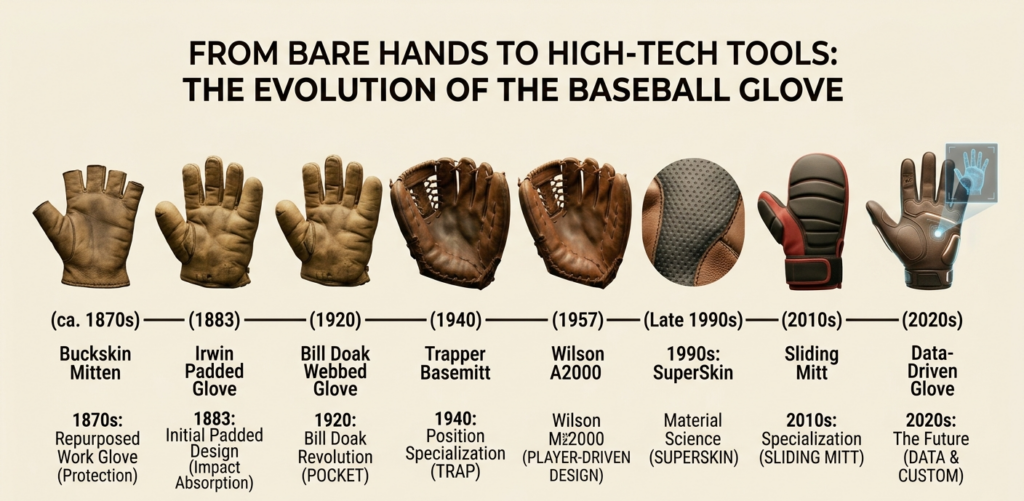
Figure 1. The Evolution of the Baseball Glove
Section 2: Innovation and Design Thinking
Solving Real Problems Through Design
Every improvement in glove design solved a real problem:
Table 2. Problem–Solution Innovation Model
| Problem | Innovation | Result |
|---|---|---|
| Hand injuries | Added padding | Increased safety |
| Missed catches | Pocket design | Better control |
| Position differences | Specialized gloves | Improved performance |
| Lack of data | Smart sensors | Measurable performance |
The baseball glove demonstrates how innovation is driven by problem-solving. Each design improvement reflects analytical thinking—similar to how students solve SAT math and reading problems by identifying patterns, constraints, and solutions.
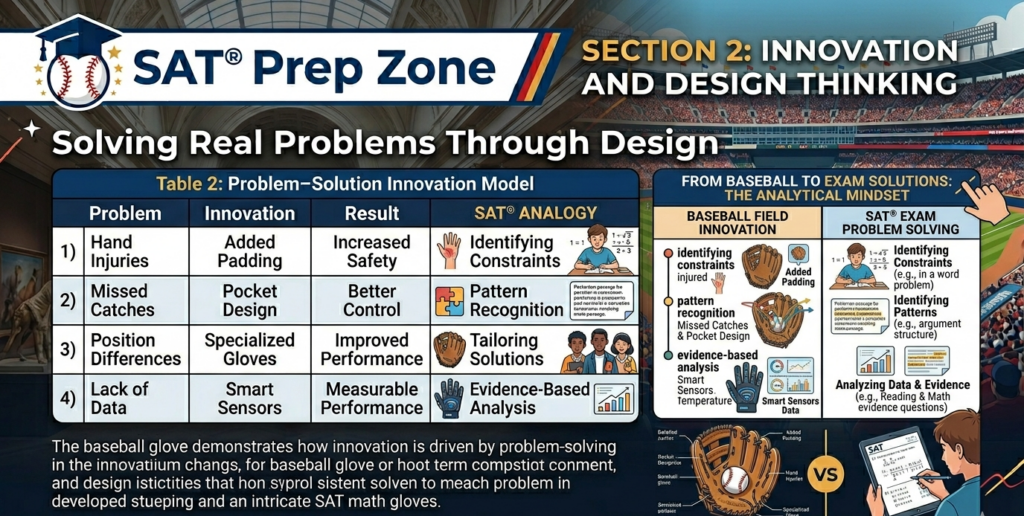
Figure 2. Training in Innovation Skills and Thinking by Baseball Innovation Museum and SAT
Section 3: The Future – Smart Baseball Gloves
Technology Meets Athletics
Modern gloves may include:
- Motion sensors
- Catch speed tracking
- Reaction time measurement
- AI-based performance feedback
These features connect baseball to STEM fields, including engineering and data science.
Table 3. Traditional vs Smart Gloves
| Feature | Traditional Glove | Smart Glove |
|---|---|---|
| Material | Leather | Leather + electronics |
| Feedback | None | Real-time data |
| Training | Experience-based | Data-driven |
| Skill Growth | Slow | Accelerated |
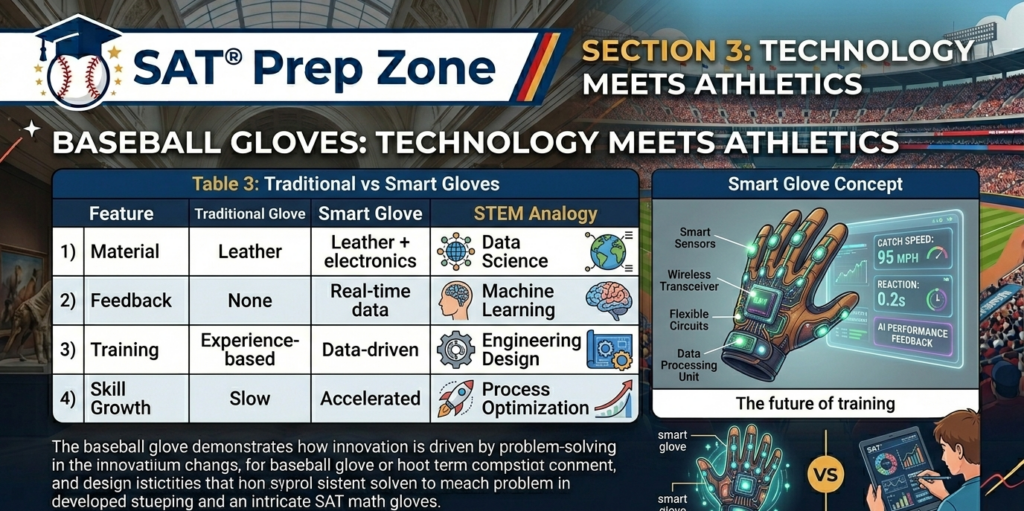
Figure 3. Explore the Future of Baseball Glove
Section 4: Challenges and Trade-offs
Balancing Innovation and Simplicity
Table 4. Challenges in Modern Glove Design
| Challenge | Explanation | Possible Solution |
|---|---|---|
| Cost | Smart tech is expensive | Scalable production |
| Durability | Electronics may fail | Reinforced design |
| Complexity | Harder to use | User-friendly interface |
| Accessibility | Not all players can afford | Entry-level versions |
Innovation always comes with trade-offs. Understanding these trade-offs builds analytical reasoning—an essential SAT skill.
Section 5: SAT-Style Reading Questions
Passage
The baseball glove has evolved from a simple protective tool into a sophisticated piece of equipment. Early designs focused on safety, while modern innovations emphasize performance and data analysis. This transformation reflects broader trends in technology, where tools are designed not only to protect but also to enhance human ability through measurable feedback.
Q1. Main Idea
A. Baseball gloves are no longer necessary
B. Baseball gloves have evolved to improve both safety and performance
C. Technology has replaced sports
D. Early gloves were better than modern ones
Q2. Evidence-Based Question
Which detail best supports the answer to Q1?
A. Early gloves were simple
B. Modern gloves include data tracking
C. Players use gloves
D. Gloves are made of leather
Q3. Vocabulary in Context
“Transformation” most nearly means:
A. Destruction
B. Change
C. Delay
D. Reduction
Section 6: SAT-Style Math Questions
Q4. Percentage Increase
A smart glove improves catch accuracy from 60% to 75%.
What is the percentage increase?
Q5. Ratio Problem
A team uses 8 traditional gloves and 12 smart gloves.
What is the ratio of smart gloves to total gloves?
Q6. Data Interpretation
A glove records 20 successful catches out of 25 attempts.
What is the success rate?
Section 7: Interactive Museum Challenge
Mission: Design the Perfect Glove
You are a sports engineer designing the next-generation glove.
Choose the best solution:
A. Focus only on cost
B. Balance performance, durability, and data
C. Remove all technology
D. Make it heavier for strength
Section 8: Riddle
I catch but do not throw,
I protect but do not fight.
I evolve with time and tech,
Helping players perform right.
What am I?
SAT Skill Connection
This exhibit strengthens your ability to:
- Identify main ideas
- Analyze evidence
- Solve percentage and ratio problems
- Interpret data
These are essential skills tested on the SAT.
Section 9: Apply the Lesson
How does technology improve performance in everyday life?
Write 2–3 sentences connecting sports equipment to real-world innovation.
✅ Answer Key
- Q1: B
- Q2: B
- Q3: B
- Q4: 25%
- Q5: 12/20 = 3/5
- Q6: 80%
- Challenge: B
- Riddle: Baseball glove
References
National Baseball Hall of Fame and Museum. (n.d.). Baseball equipment history.
Nathan, A. M. (2018). The physics of baseball equipment. American Journal of Physics.
Smith, J. (2021). Sports technology and performance analytics. New York, NY: Sports Science Press.