
Where History, Technology, and Learning Meet
[Image Placeholder: Museum Homepage Screenshot]
The Baseball Innovation Museum is a digital‑only learning space where students explore baseball’s past, present, and future through interactive exhibits. But this museum has a second mission: to help students build the analytical, reading, and math skills needed for the SAT.
Every exhibit — whether it features a glove, a bat, a baseball, or a piece of analytics technology — is designed to teach students how to think critically, interpret data, and understand complex informational texts.
This issue introduces the museum itself:
what it is, how it works, and how students can use it to strengthen their academic skills.
1. What Is the Baseball Innovation Museum?
[Image Placeholder: Virtual Exhibit Hall]
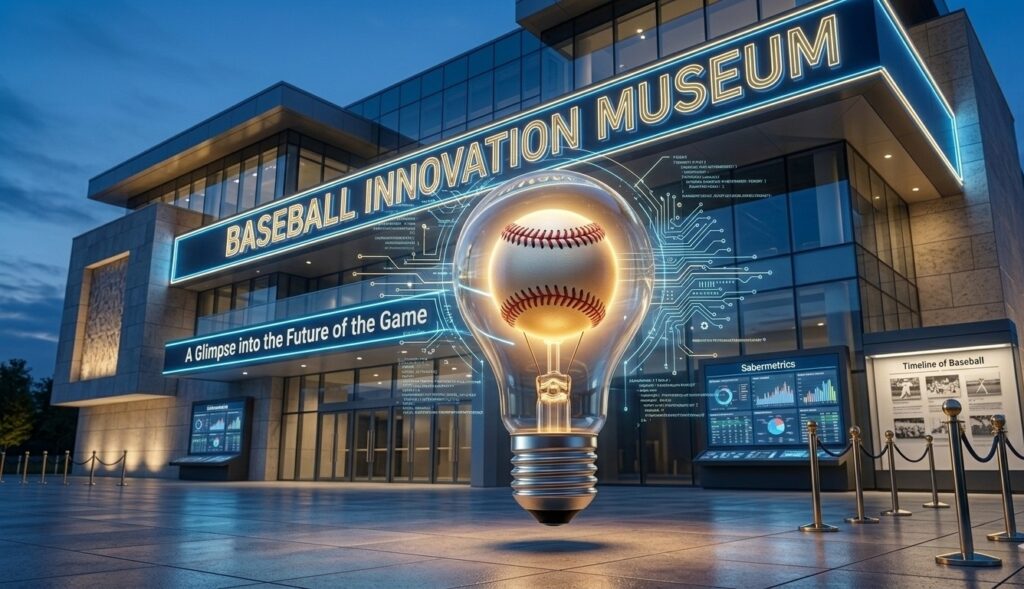
Figure 1. Baseball Innovation Museum (Source: BIM, 2026)
Unlike traditional baseball museums that focus on memorabilia and history, the Baseball Innovation Museum is the world’s first museum dedicated to baseball innovation and the only one that integrates SAT, PSAT, and ACT test‑prep skills into every exhibit. It transforms baseball exploration into meaningful academic learning.
Table 1. Traditional Baseball Museum vs. Baseball Innovation Museum
| Feature | Traditional Baseball Museum | Baseball Innovation Museum (World’s First) |
|---|---|---|
| Core Purpose | Preserve baseball history and artifacts | Teach innovation, problem‑solving, and academic skills through baseball |
| Focus | Players, teams, memorabilia | Engineering, design, analytics, and learning |
| Format | Physical building | 100% digital, accessible worldwide |
| Learning Style | Passive viewing of displays | Interactive exhibits with SAT/PSAT/ACT skill integration |
| Educational Tools | Plaques, timelines, artifacts | Data tables, reading passages, math sets, design challenges |
| Audience | Baseball fans and tourists | Students, educators, and test‑prep learners |
| Innovation Focus | Limited | Central theme — first museum dedicated to baseball innovation |
| Academic Integration | N/A | Built specifically to support (P)SAT and ACT preparation |
2. How Students Learn From the Museum
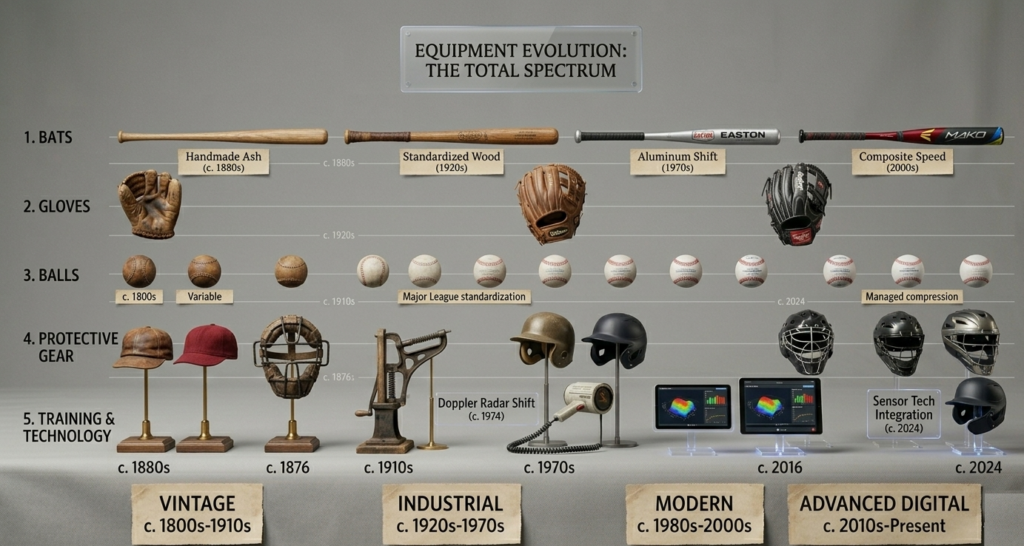
Figure 2. Students learn Science, Engineer, Sports and SAT from Exhibits.
The museum is organized into themed galleries. Each gallery focuses on a different dimension of baseball innovation — but always through the lens of learning.
Museum Gallery Structure
| Gallery | Focus | What Students Learn |
|---|---|---|
| Equipment Evolution | Gloves, bats, balls | Reading comprehension, historical analysis |
| Science of Play | Physics, biomechanics | SAT math modeling, scientific reasoning |
| Data & Analytics | Statcast, metrics | Graph interpretation, percentages, ratios |
| Design Lab | Engineering challenges | Problem‑solving, evidence‑based writing |
| Future of Baseball | AI, sensors, materials | Critical thinking, evaluating claims |
3. Why a Museum Helps Students Learn
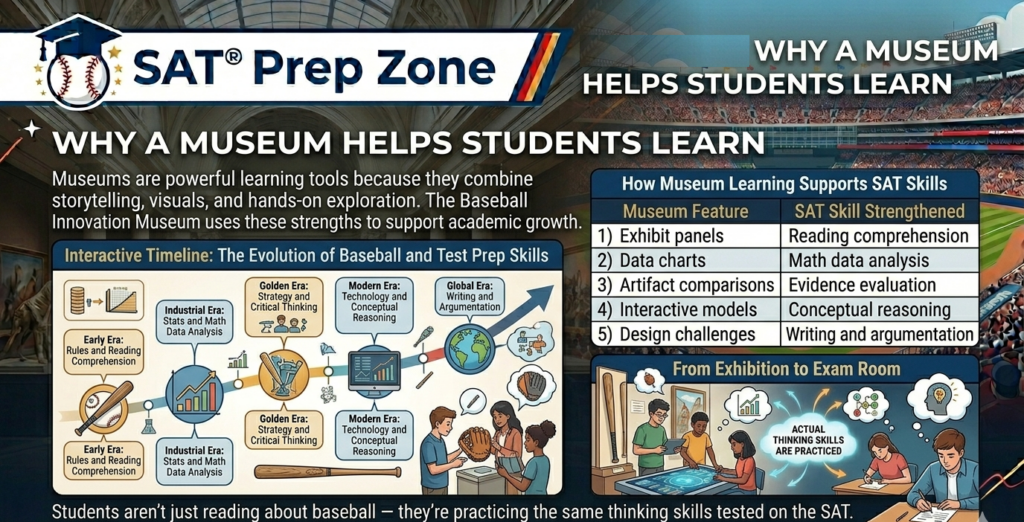
Figure 3. Museum Learning Supports SAT Skills
Museums are powerful learning tools because they combine storytelling, visuals, and hands‑on exploration.
The Baseball Innovation Museum uses these strengths to support academic growth.
How Museum Learning Supports SAT Skills
| Museum Feature | SAT Skill Strengthened |
|---|---|
| Exhibit panels | Reading comprehension |
| Data charts | Math data analysis |
| Artifact comparisons | Evidence evaluation |
| Interactive models | Conceptual reasoning |
| Design challenges | Writing and argumentation |
Students aren’t just reading about baseball — they’re practicing the same thinking skills tested on the SAT.
4. A Sample Exhibit: “How a Museum Panel Teaches Reading Skills”
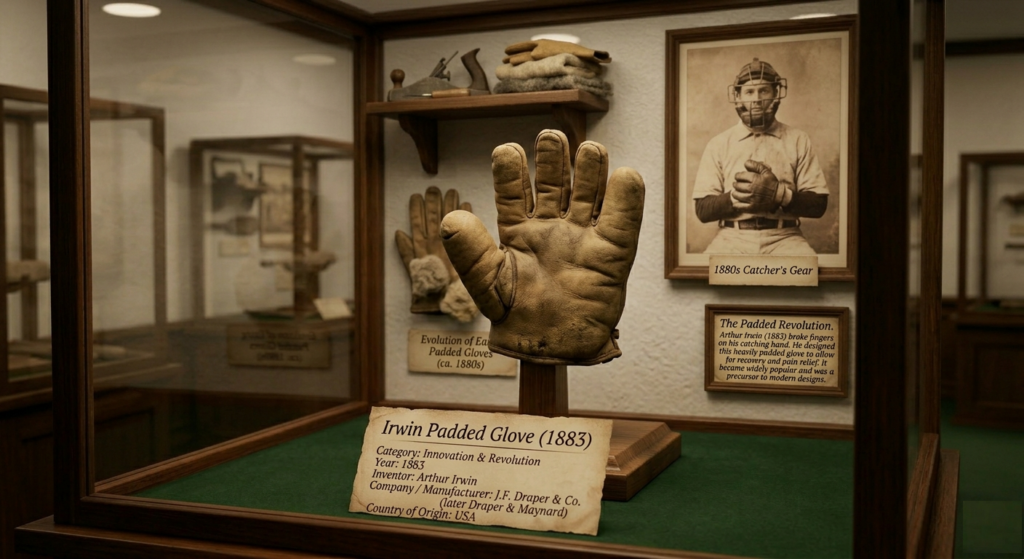
Figure 4 Museum Panel Teaches Reading Skills (Source: BIM, 2026)
Below is a short example of the type of text students encounter in the museum.
Exhibit Text:
The Baseball Innovation Museum highlights how the sport has evolved through continuous problem‑solving. Each exhibit demonstrates how players, engineers, and designers responded to challenges with creativity and experimentation. By exploring these innovations, students learn not only about baseball but also about the analytical habits that drive scientific and academic success.
SAT‑Style Reading Questions
- The main purpose of the exhibit text is to
A) argue that baseball is more innovative than other sports
B) explain how the museum connects baseball to academic learning
C) describe the history of baseball equipment
D) compare scientific and athletic problem‑solving - Which choice best supports the answer to Question 1?
A) “continuous problem‑solving”
B) “players, engineers, and designers”
C) “creativity and experimentation”
D) “analytical habits that drive scientific and academic success” - As used in the text, “analytical” most nearly means
A) emotional
B) data‑driven
C) historical
D) uncertain
5. SAT Math Practice: Museum Data Table
The museum includes data‑rich exhibits. Here is an example of a simple data table from the “Analytics Gallery.”
Museum Data Table: Visitor Engagement
| Exhibit | Avg. Time Spent (minutes) |
|---|---|
| Equipment Evolution | 12 |
| Science of Play | 15 |
| Data & Analytics | 18 |
| Design Lab | 10 |
Questions
- How many more minutes do visitors spend in the Data & Analytics gallery than in the Design Lab?
- What percent increase is the Science of Play gallery compared to the Equipment Evolution gallery?
- If total visitor time across all galleries is 55 minutes, what percent of that time is spent in the Data & Analytics gallery?
6. Museum Challenge: Become a Curator
Students are invited to design their own mini‑exhibit for the museum.
Your exhibit must include:
- A title
- A short explanatory text
- A data table or graph
- One SAT reading question
- One SAT math question
This challenge builds writing, reasoning, and creativity — all essential for SAT success.
7. Museum Riddle
I teach without speaking,
I show without moving,
I hold stories but never turn a page.
What am I?
(Answer in the key)
8. SAT Skill Connection
The Baseball Innovation Museum strengthens:
- Reading: interpreting exhibit text
- Writing: explaining ideas clearly
- Math: analyzing tables and graphs
- Critical thinking: evaluating evidence
- STEM reasoning: understanding cause and effect
The museum is not just about baseball — it’s about learning how to learn.
Answer Key
- B
- D
- B
- 8 minutes
- (15 – 12)/12 = 25%
- 18/55 ≈ 32.7%
- A museum exhibit
References
Baseball Innovation Museum. (2024). Museum exhibits and educational resources. https://museum.baseballinnovation.org
Falk, J. H., & Dierking, L. D. (2018). Learning from museums: Visitor experiences and the making of meaning. Rowman & Littlefield.
Hein, G. E. (1998). Learning in the museum. Routledge.
National Research Council. (2012). Education for life and work: Developing transferable knowledge and skills in the 21st century. National Academies Press.
Smith, J. R. (2020). Innovation in sports education: Using athletics to teach STEM. Journal of Sport Science and Technology, 28(2), 201–219.